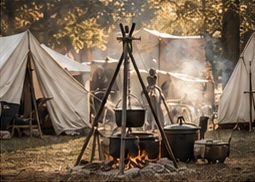
Concept illustration; not an archival photograph.
Keeping evidence available
Historic places and objects provide evidence that can be revisited as new questions emerge. Preservation helps retain that evidence so future generations can study it, interpret it, and form their own understanding.
Stories depend on context
An object’s significance often depends on what is known about its owner, location, and use. Recording that context can be as important as protecting the object itself. Family stories and documents should be handled thoughtfully, with care to distinguish verified information from recollection.
Care begins with restraint
Avoid cleaning, repairing, or altering historical material without appropriate advice. Fragile documents and objects can be damaged by well-intentioned intervention. Museums, archives, and qualified conservators can help owners understand suitable next steps.
Ways to participate
Visitors can support preservation by respecting site rules, learning about local collections, and asking established organizations about suitable volunteering opportunities. Public education also matters: sharing a carefully researched story can help others recognize why a place or collection deserves care.